
 中文简体
中文简体
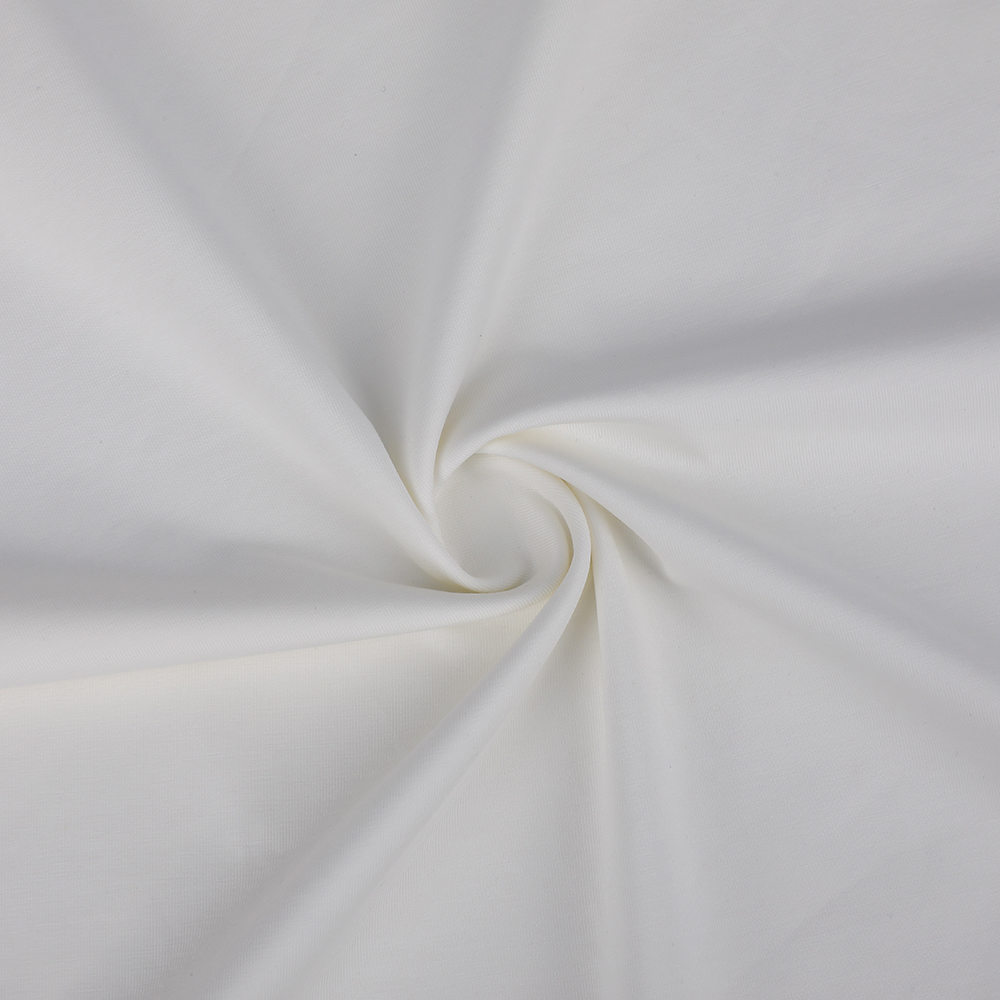
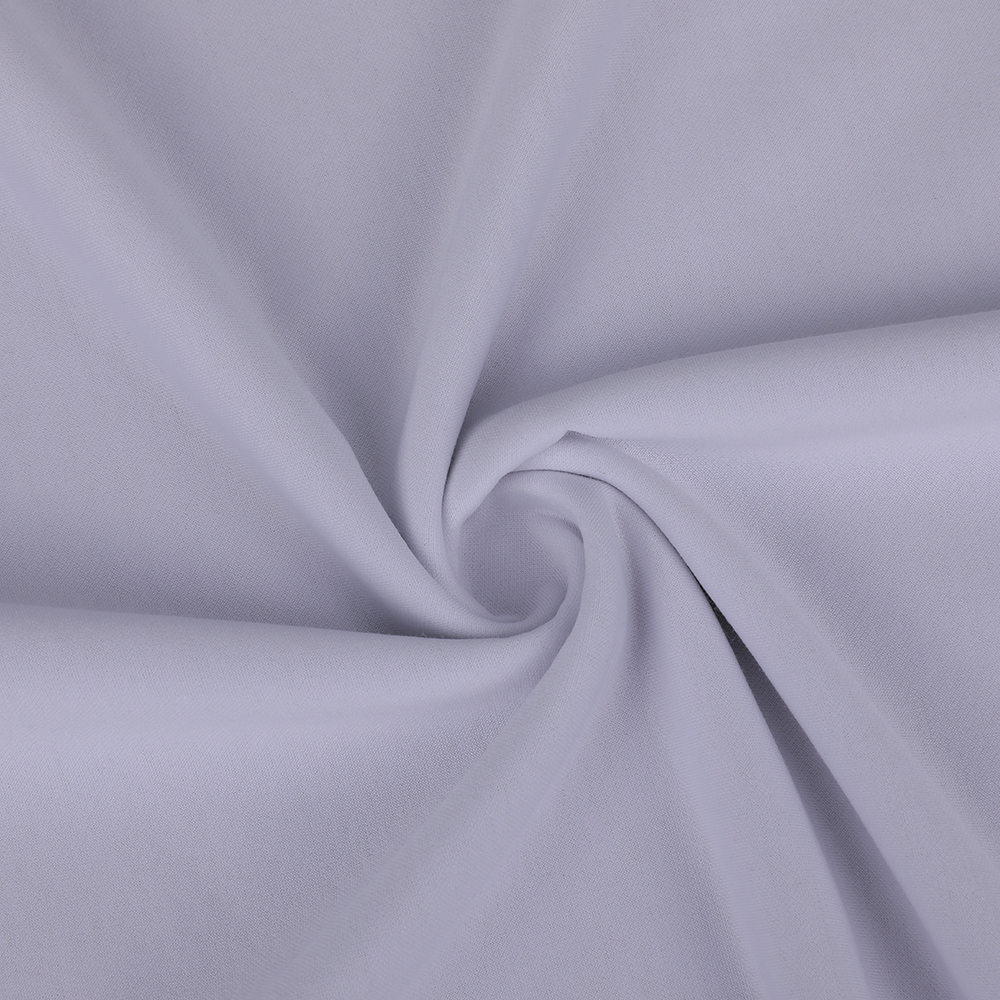
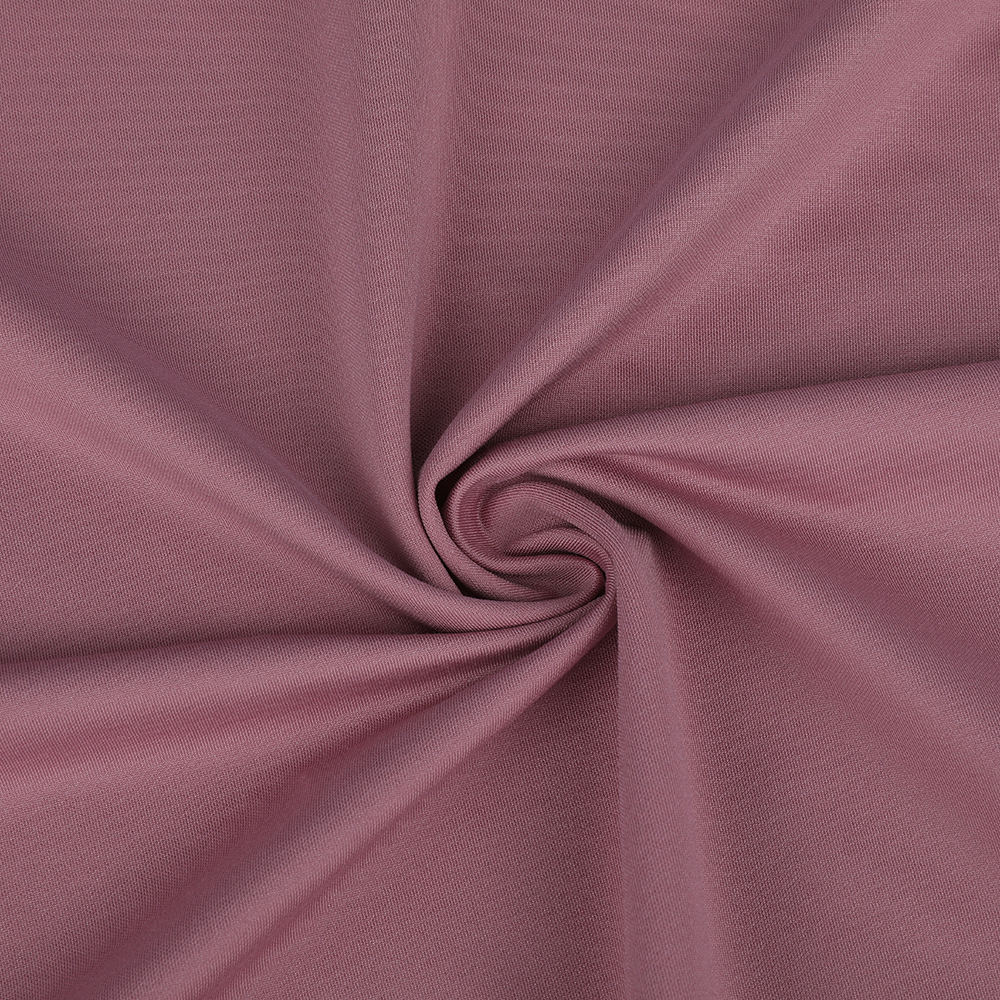
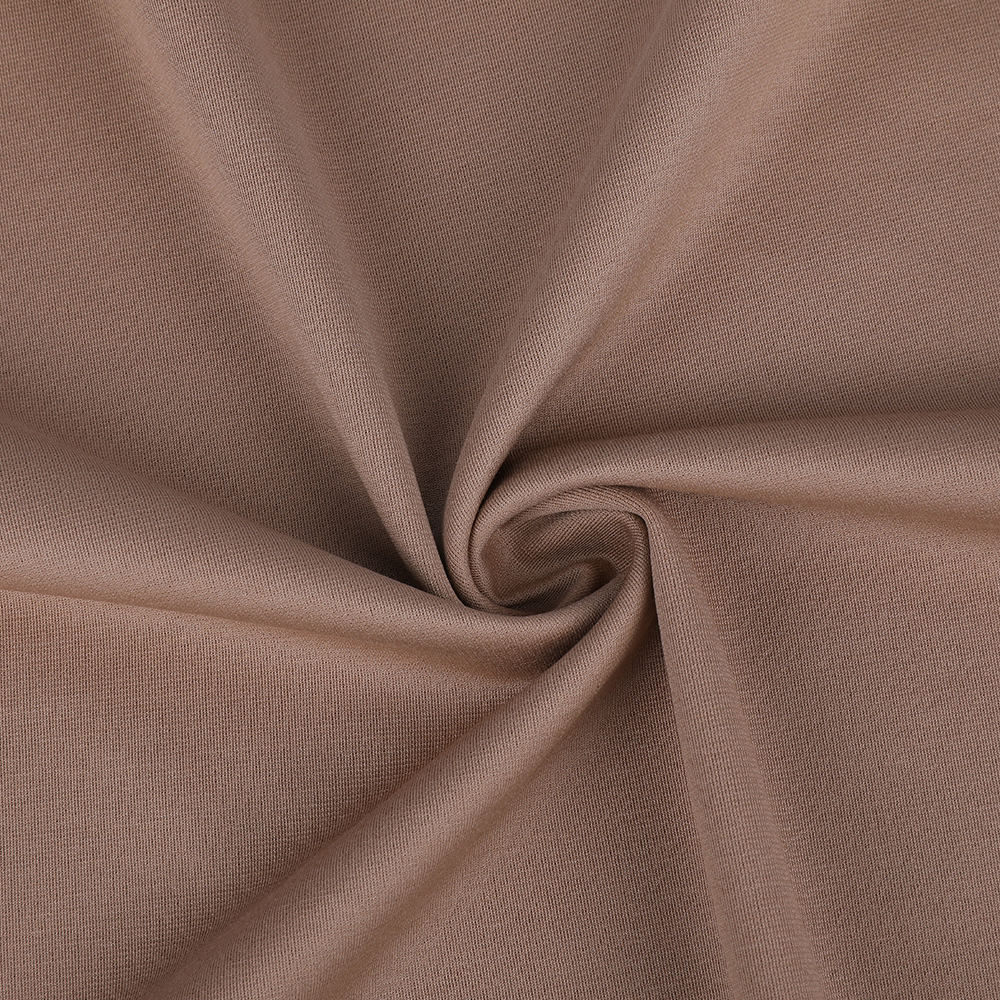
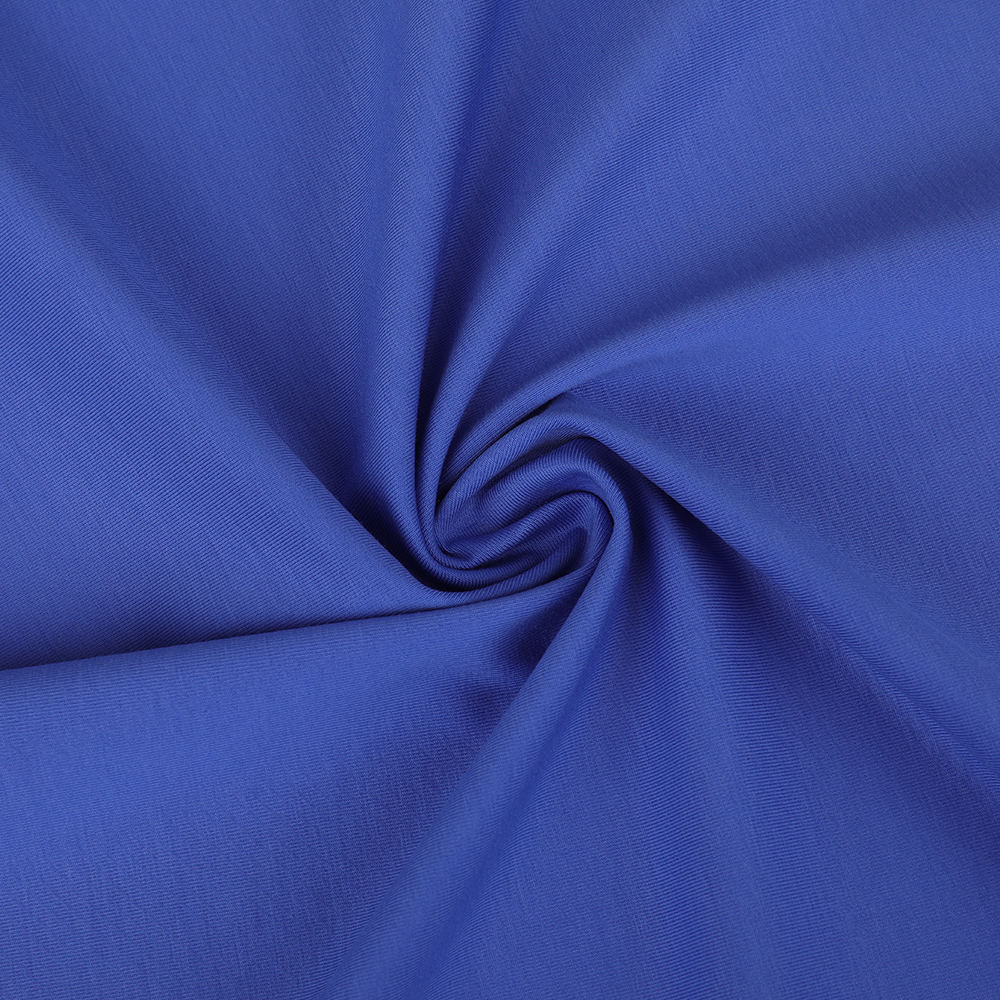
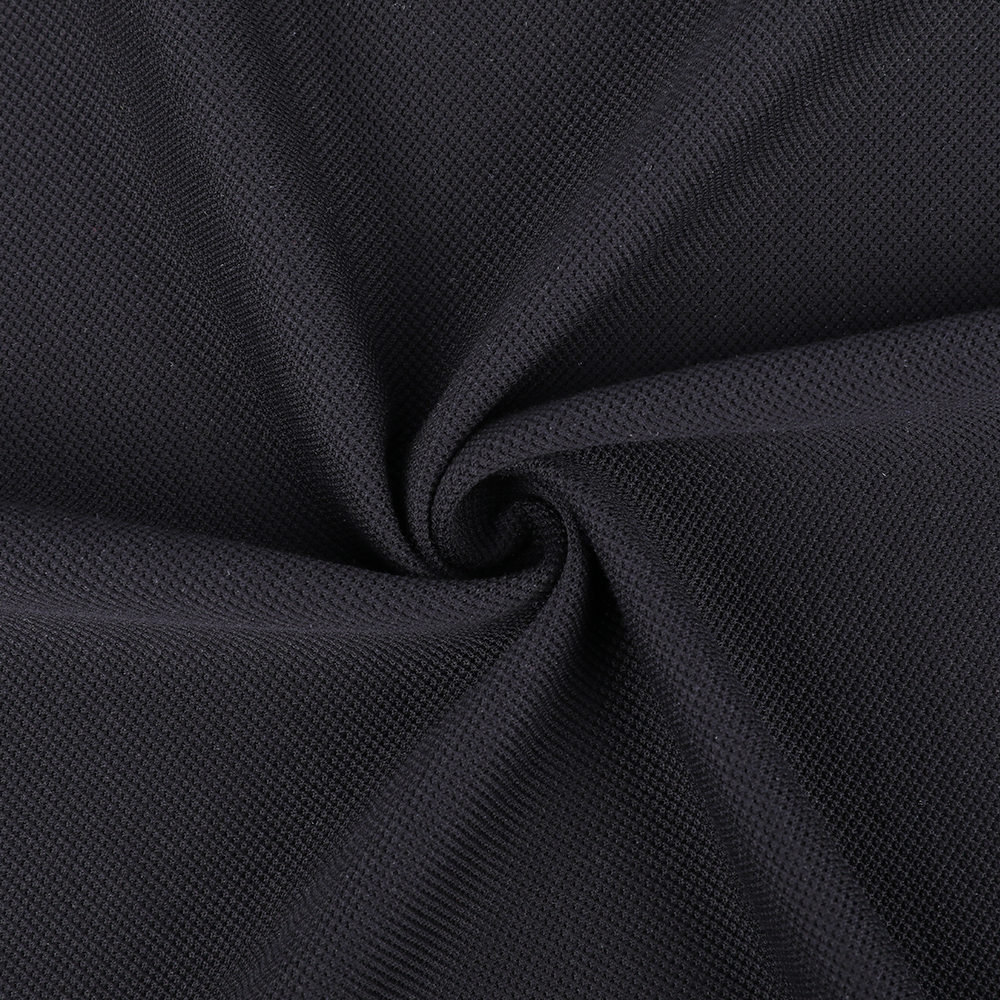
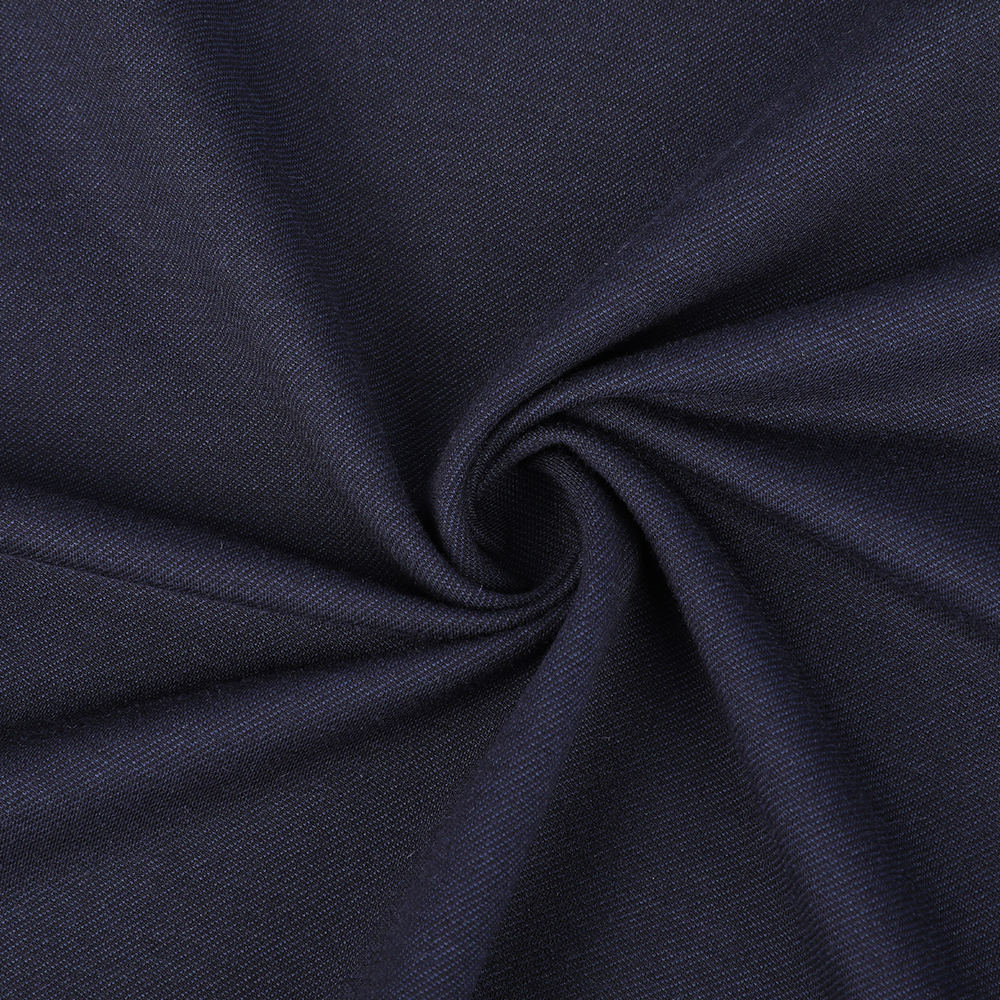
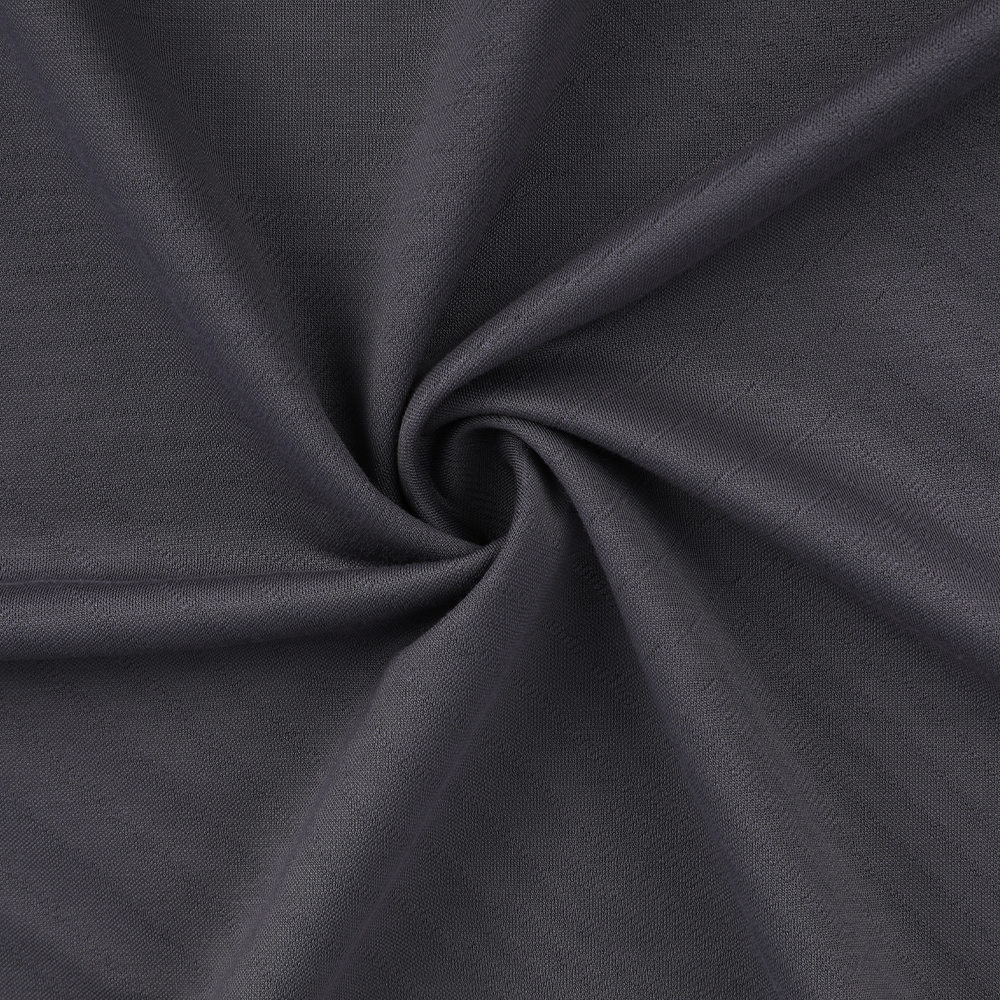
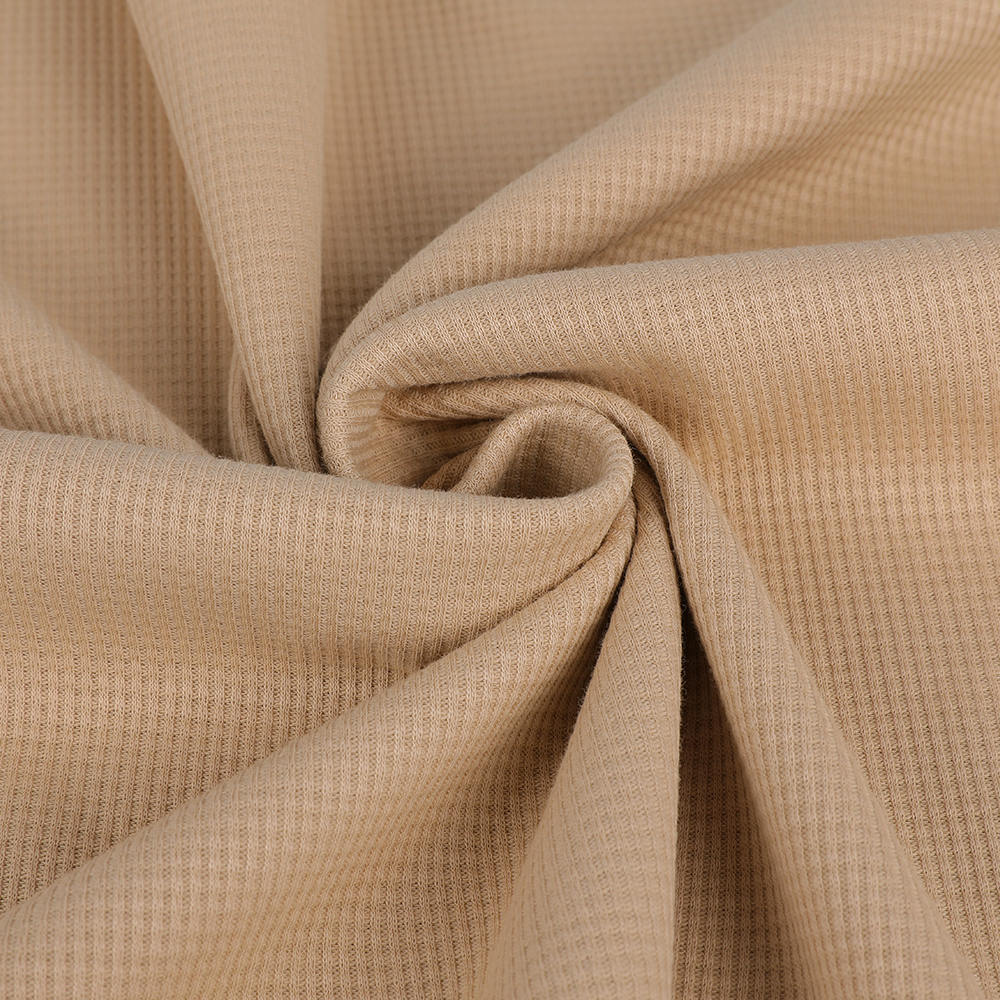
Knitted Sports Leisure Fabric is a loop-structured textile engineered for stretch, breathability, and all-day comfort. Unlike woven fabrics, its interlocked yarn loops move with the body, making it the dominant choice for athletic wear, casual sportswear, and lifestyle apparel worldwide. If you need a fabric that combines performance with everyday wearability, knitted construction is the most practical and proven solution.
What Is Knitted Fabric Material
Knitted fabric is produced by interlocking a continuous yarn into a series of connected loops, either by machine or by hand. This loop-on-loop structure is what fundamentally separates it from woven fabric, where threads cross at right angles. The looping mechanism creates built-in elasticity and gives the fabric its signature softness and drape.
At the fiber level, knitted fabrics are made from a wide range of materials:
| Fiber Type | Key Characteristics | Common Use |
| Polyester | Durable, moisture-wicking, colorfast | Jerseys, activewear |
| Nylon | High abrasion resistance, lightweight | Tights, swimwear |
| Spandex / Elastane | 600%+ stretch recovery | Compression wear, yoga pants |
| Cotton | Breathable, hypoallergenic, soft | T-shirts, leisure tops |
| Bamboo / Modal | Eco-friendly, ultra-soft, moisture control | Loungewear, base layers |
In sports and leisure applications, blends dominate. A common formula is 88% polyester + 12% spandex, which delivers moisture management plus four-way stretch without sacrificing shape retention over repeated washes.
Knit Fabric Types Used in Sports and Leisure
Not all knits perform the same. Each construction has a specific mechanical advantage suited to different garment functions:
The most versatile base structure. Lightweight, smooth face, slight horizontal stretch. Used in T-shirts, base layers, and casual tees. Fabric weight typically 120-180 GSM.
Two layers interlocked together. More stable, thicker, and less prone to curling at edges. Preferred for polo shirts and structured leisure tops. Weight range: 200-260 GSM.
Alternating raised columns create strong vertical elasticity. Used for cuffs, collars, waistbands, and fitted athletic bands. Can stretch up to 100% and snap back to original size.
Smooth exterior, looped interior. Excellent moisture absorption for post-workout wear. The inside loops trap warm air in cool weather, making it a favorite for hoodies and sweatshirts. Weight: 280-350 GSM.
Brushed interior for insulation. Commonly used in jackets, sweatpants, and outer leisure layers. Anti-pilling fleece holds up after 50+ wash cycles with proper fiber treatment.
Open-hole structure maximizes air circulation. Widely used in sports jerseys, training vests, and breathable panels in running gear. Can reduce fabric surface temp by 3-5 degrees Celsius.
Why Is Knitted Fabric So Popular in Fashion and Sportswear
The global knitted fabric market was valued at approximately USD 67 billion in 2023 and is projected to exceed USD 95 billion by 2030, driven almost entirely by demand from the sportswear and athleisure sectors. Several structural advantages explain this dominance:
- Freedom of movement: The looped structure stretches in all directions without resistance. A woven cotton trouser restricts knee flex at roughly 30 degrees; knitted fabric allows full range of motion with zero tension.
- Moisture management: Knitted polyester wicks sweat to the surface 40% faster than standard woven cotton, helping regulate body temperature during high-intensity activity.
- Comfort-first aesthetics: The rise of athleisure since 2015 has permanently blurred the line between sportswear and everyday fashion. Brands like Lululemon, Nike, and Adidas now sell knitted leisure garments that move from gym to street without a change of style.
- Production efficiency: Modern circular knitting machines run at 30-35 RPM, producing seamless tubular fabric at high speed, which reduces cut-and-sew waste by up to 15% compared to woven alternatives.
- Design versatility: Jacquard knitting machines can program complex patterns directly into the fabric structure, eliminating the need for printing and reducing VOC emissions in the dyeing process.
Key Properties of Knitted Fabric That Drive Performance
When evaluating knitted sports leisure fabric for specific applications, five core properties determine suitability:
Spandex-blended knits typically offer 4-way stretch with a recovery rate above 95% after 10,000 stretch cycles. This prevents bagging in the seat and knees of athletic pants.
Open-structured knits achieve air permeability rates of 200-400 mm/s (measured by Frazier test), essential for maintaining thermal comfort during sustained aerobic exercise.
Hydrophilic inner fibers pull sweat away from skin while hydrophobic outer fibers disperse it for rapid evaporation. This dual-layer moisture management is standard in performance knitwear above 150 GSM.
High-twist yarn and tighter loop density (above 28 needles/inch) reduce surface pilling. Anti-pilling finishes extend garment appearance life by 30-50% in high-friction zones like underarms and inner thighs.
Reactive-dyed cotton knits achieve ISO wash fastness grade 4-5. Polyester knits dyed with disperse dyes maintain vibrant color even after 60 wash cycles at 40 degrees Celsius.
Knitted Fabric for Clothing: Matching Construction to Garment Type
Choosing the right knit for each clothing category reduces returns and increases customer satisfaction. Below is a practical guide:
| Garment Category | Recommended Knit Type | Fiber Blend | GSM Range |
| Running Tops | Single Jersey / Mesh | 92% Polyester + 8% Spandex | 120-160 |
| Yoga / Pilates Pants | Interlock / Brushed Single Jersey | 80% Nylon + 20% Spandex | 200-240 |
| Training Shorts | Single Jersey / Eyelet Mesh | 100% Polyester | 130-170 |
| Sweatshirts / Hoodies | French Terry / Fleece Knit | 80% Cotton + 20% Polyester | 280-380 |
| Casual Polo Shirts | Pique / Double Jersey | 100% Cotton or 60/40 blend | 180-220 |
| Compression Leggings | Warp Knit (Tricot) | 75% Nylon + 25% Spandex | 200-260 |
| Leisure Loungewear | Modal Knit / Bamboo Jersey | 95% Modal + 5% Elastane | 160-200 |
Applications of Knitted Fabric in Sportswear
Sports brands allocate 60-75% of their fabric sourcing budget to knitted textiles. Here is how specific knit constructions are deployed across major sport categories:
Lightweight mesh polyester jerseys (140-160 GSM) with moisture-transfer channels. Nike Dri-FIT and Adidas Climalite are both built on single jersey knit platforms with microfiber surface treatments.
Flat-seam single jersey tops to eliminate chafing. Reflective yarn can be knitted directly into the loop structure for nighttime visibility without added weight or coating.
Warp knit lycra-blend fabrics (220-260 GSM) with graduated compression zones. The directional stretch of warp knits allows tailored muscle support maps to be built into the fabric without seams.
Reversible double-faced knit jerseys with contrast inner and outer faces. Allow teams to switch home/away without changing garments. Reduces team kit inventory by 50%.
4-way stretch interlock with napped interior surface. The brushed finish increases tactile comfort in slow-movement disciplines where sustained skin contact with the fabric is constant.
Fleece-lined double jersey for warmth retention without bulk. Merino wool blends (50% merino + 50% polyester) offer natural odor resistance, tested to remain fresh after 3 days of continuous wear.
Sustainability and Innovation in Knitted Fabric
Environmental pressure on the textile industry has pushed knitted fabric manufacturing toward measurable sustainability targets. Three developments are reshaping the supply chain:
Recycled PET (rPET) from plastic bottles is now spun into polyester yarn and knitted into performance fabrics. A standard rPET sports top uses approximately 8 recycled 500ml bottles. Brands including Patagonia and Girlfriend Collective report rPET fabric now accounts for over 70% of their knit sourcing.
3D whole-garment knitting machines (Shima Seiki and Stoll are market leaders) produce a complete garment in one operation with zero cutting waste. Traditional cut-and-sew generates 15-20% fabric offcuts; seamless technology reduces that to near zero. Nike's Flyknit technology, introduced in 2012, reduced footwear waste by 60% using this principle extended to shoe uppers.
Conductive yarn can now be knitted directly into sportswear fabric, enabling heart rate monitoring, muscle activity sensing, and body temperature tracking without wearable devices. Brands such as Hexoskin have commercialized biometric-sensing knit shirts that transmit data via Bluetooth to mobile apps, turning fabric into a diagnostic tool for athletes and rehabilitation patients.
Lyocell (Tencel), produced in a closed-loop solvent process that recaptures 99% of chemicals used, is increasingly blended into knit structures for leisurewear. Bio-based nylon (nylon 11) derived from castor oil offers equivalent performance to petroleum nylon with a 50% lower carbon footprint, and is already being adopted by specialty sports fabric manufacturers.
Whether you are sourcing fabric for high-performance athletic wear or everyday leisure clothing, knitted sports leisure fabric offers an unmatched combination of stretch, breathability, durability, and design flexibility. The technology behind knitted textiles continues to evolve rapidly, with sustainability and smart functionality defining the next generation of performance fabric. Selecting the right knit construction, fiber blend, and GSM for your specific application is the most direct path to a garment that performs at the standard your customers expect.